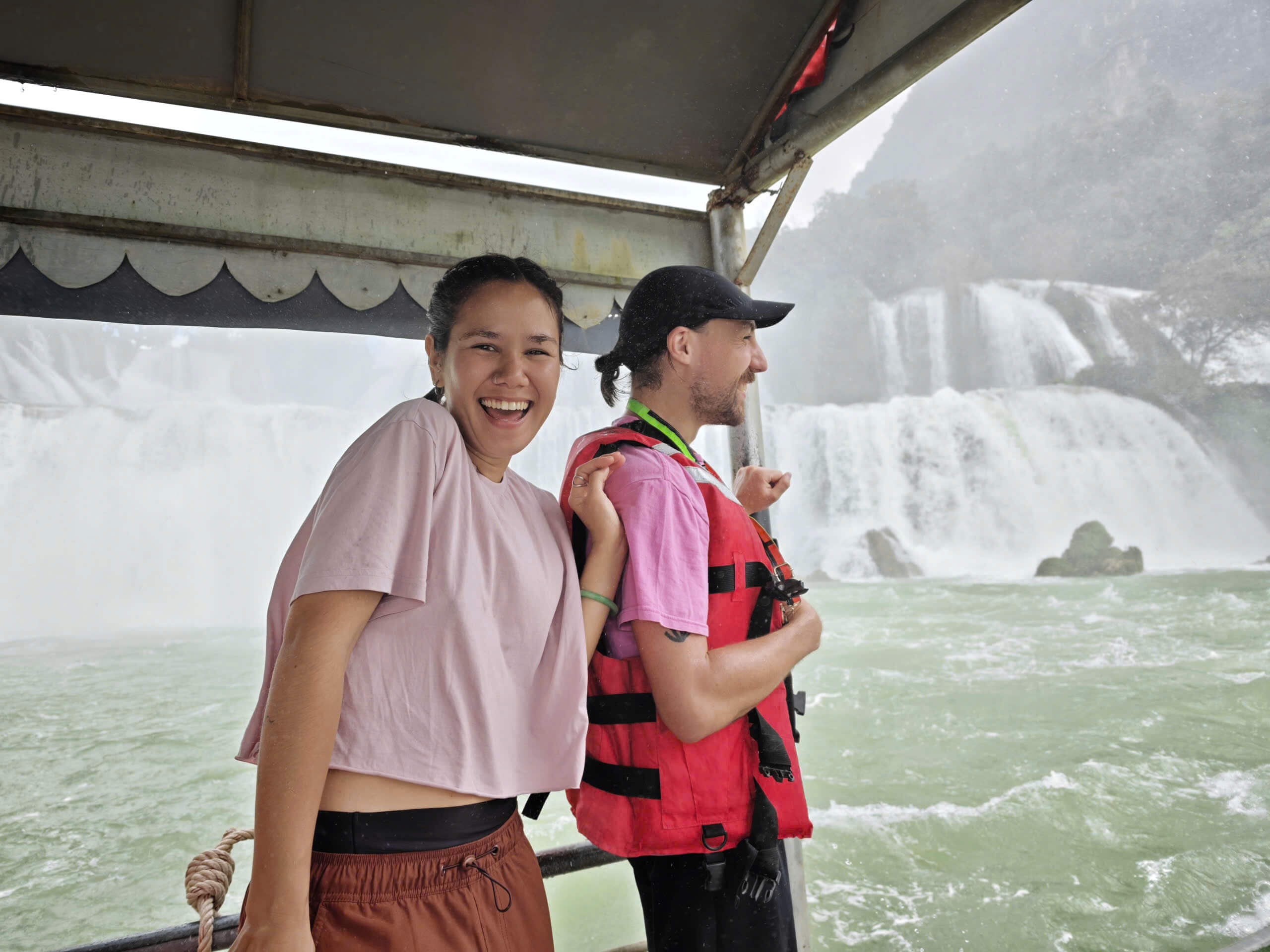
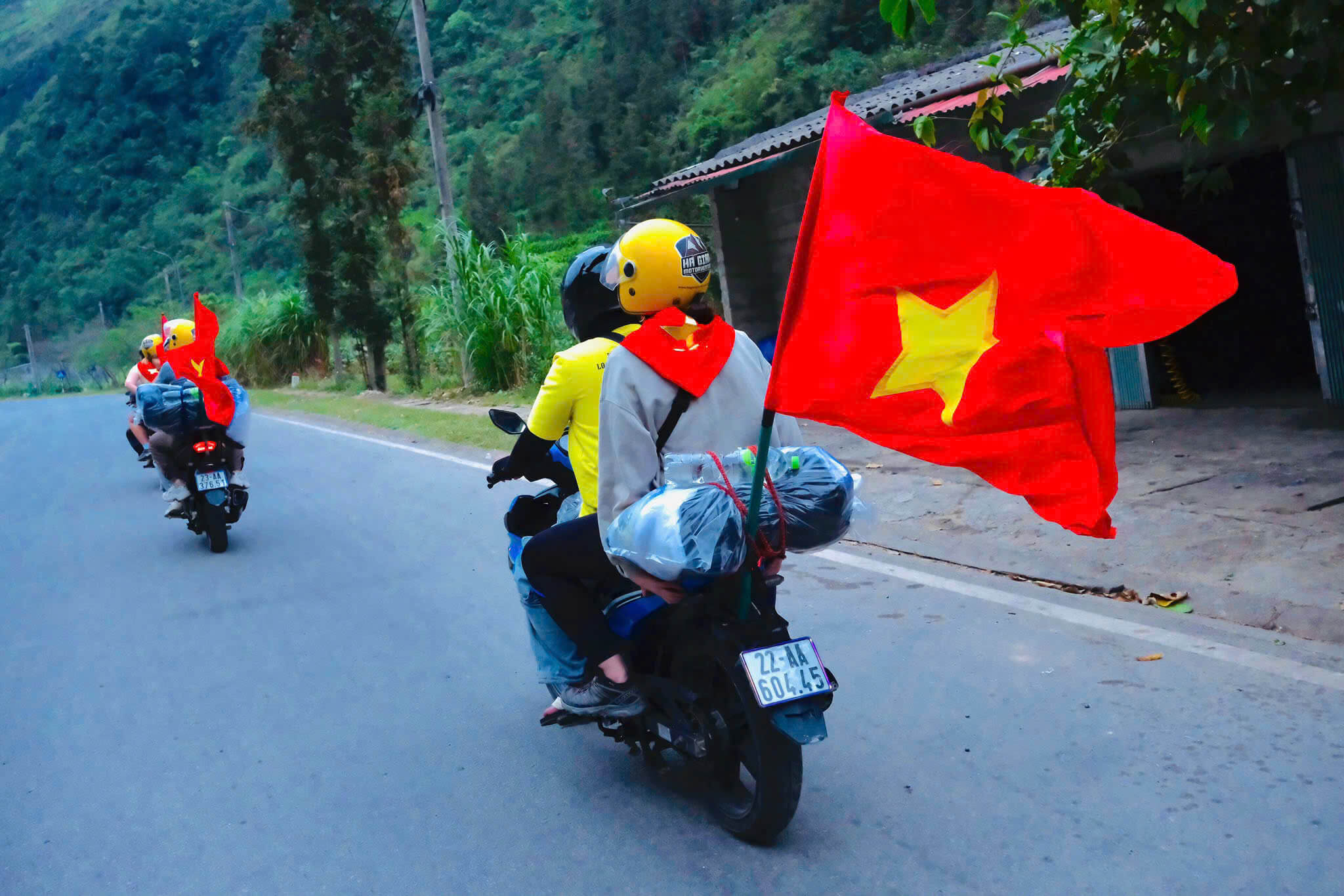
What is "Happy Water" on Ha Giang Loop? Happy water is the playful English nickname for "rượu", a traditional Vietnamese rice wine. It originated centuries ago as ancient farmers distilled agricultural rice surpluses using wild leaf yeasts. Today, it is deeply embedded in the culture of Northern Vietnam. Sharing this drink is a ritual designed to establish tình cảm a sense of trust and emotional connection between hosts and guests.
If you are planning to ride the Ha Giang loop or the Cao Bang loop, you will inevitably hear whispers of a legendary local drink called happy water.
But before you pack your bags (using our Ha Giang loop preparation guide), it is important to understand that happy water is much more than just a quick buzz. It is a deeply rooted cultural tradition with a fascinating history. Here is everything you need to know about the drink that fuels Northern Vietnam homestays.
The rebellious history of Ruou
The true name of happy water is rượu which generally translates to wine or liquor. The drink originated centuries ago as ancient farmers distilled agricultural rice surpluses using wild leaf yeasts.
However, its history took a dramatic turn. During the French colonial era, the spirit turned into a moonshine (illegal liquor) after a strict state alcohol ban. To keep their cultural traditions alive, locals ensured it was secretly brewed and hidden in tall grasses.
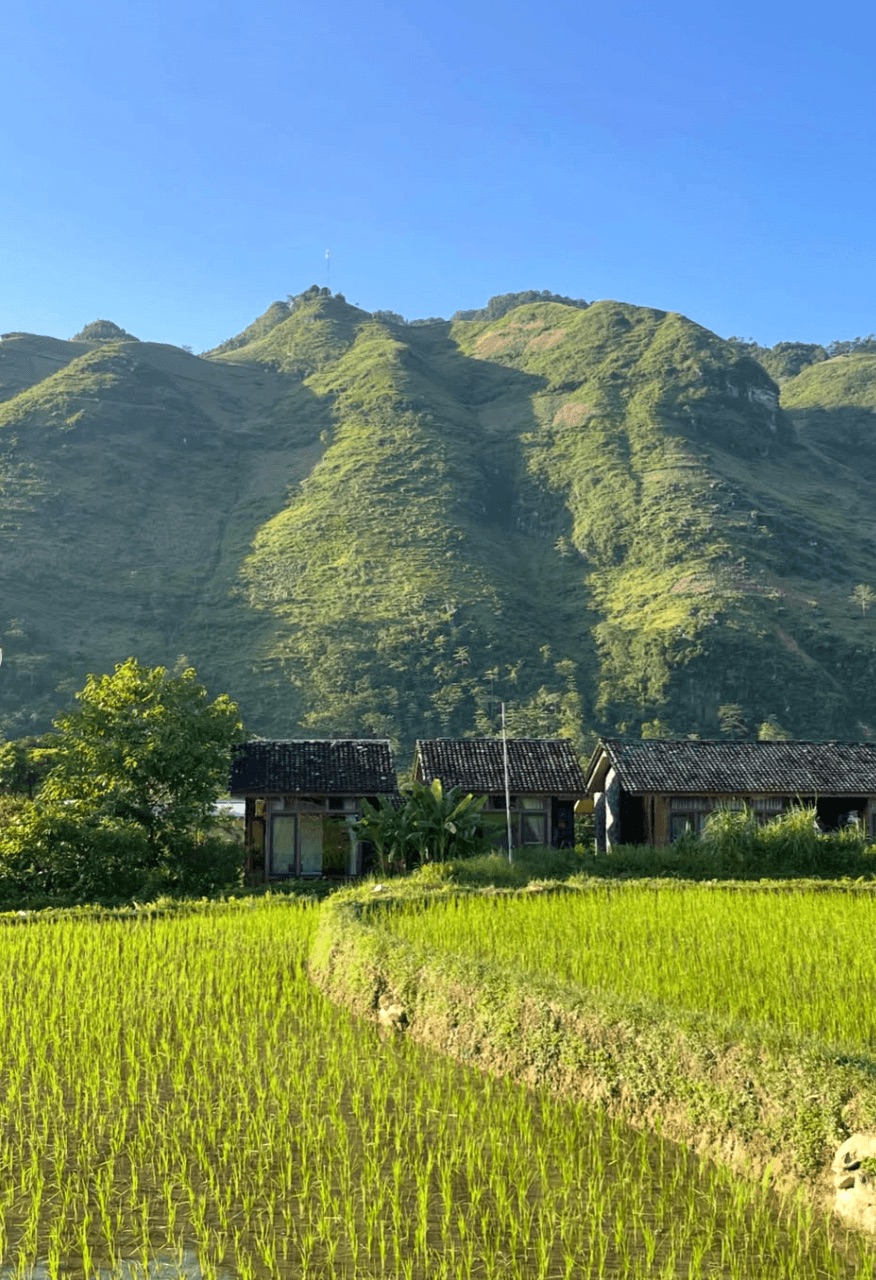
The rice used to distill traditional happy water
The way the drink is consumed has also evolved. Originally, people drank this from a large clay pot using a bamboo straw. However, as a new, distilled, higher alcohol version gained popularity, people transitioned to smaller quantities in smaller cups.
More than a drink
One of the most important things to understand as a traveler is that happy water isn’t necessarily made to drink, it’s made to share.
It is the centerpiece of local hospitality. Sharing meals & drinks is very common in Vietnam and almost ritual like. When you sit down for a family dinner at a homestay, somebody pours it for you at your meal, everybody raises their classes, and you all cheers together.
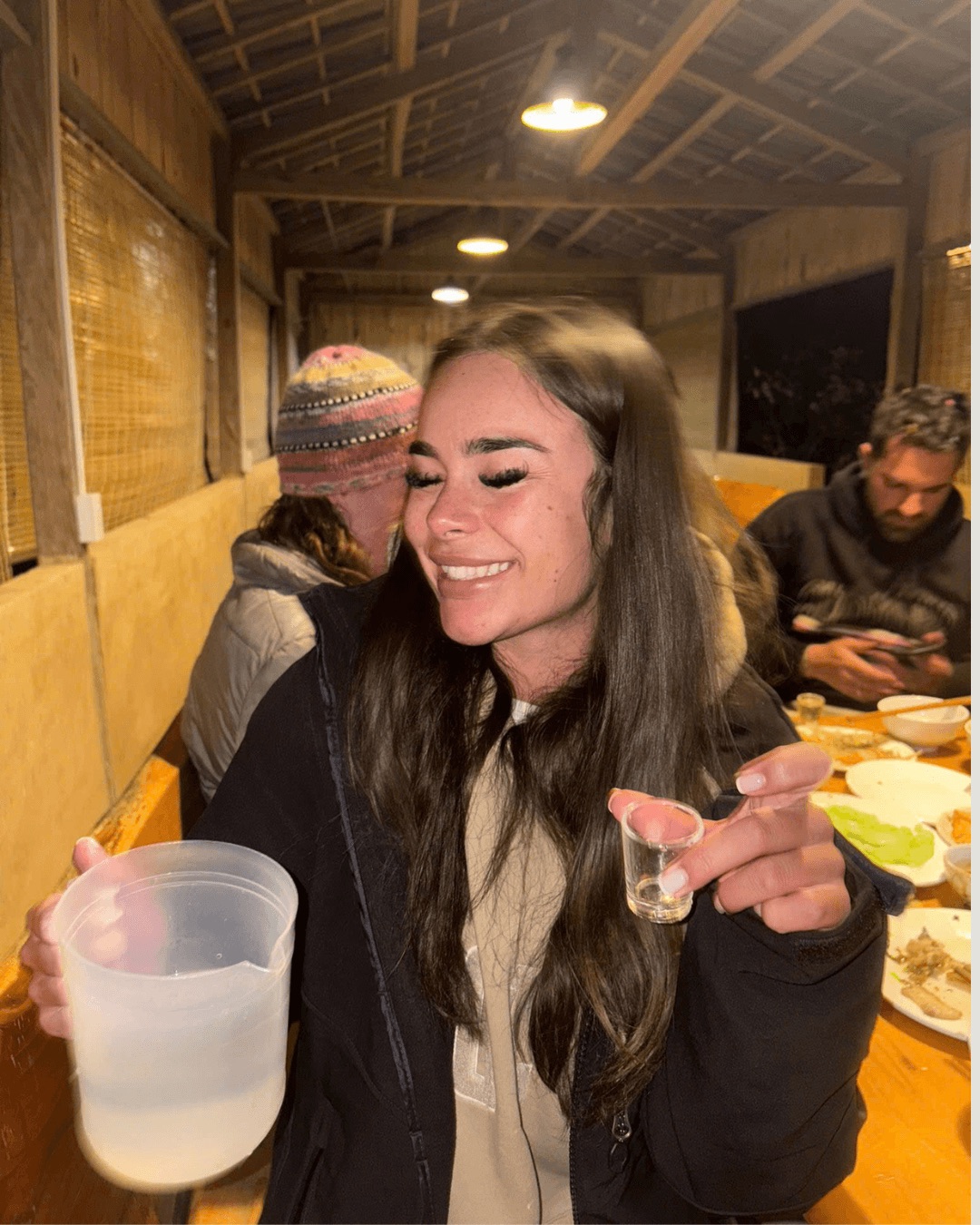 Beautiful girl drinking happy water Ha Giang rice wine
This communal cheering isn't just for fun. It's a way to establish tình cảm a sense of trust and emotional connection.
The modern Ha Giang loop tradition
So, how did Rượu become the famous happy water known to backpackers worldwide?
When the modern day Ha Giang loop tours began, hosts naturally offered the spirit to travelers as a welcome gesture, turning an ancient ritual into a bucketlist tick for every Vietnam trip. After a long, thrilling day navigating the mountain passes with our Easy Riders (see Ha Giang loop 2026 Easy Rider or self ride guide), sitting down to share a cup of happy water with your host is the perfect way to celebrate the journey.
Ready to experience Ha Giang Loop?
Join Motorventures to safely navigate the mountains, feast on incredible local food, and share authentic happy water with our ethnic minority homestay hosts!
👉 Click here to explore our best Ha Giang loop itineraries for 2026

 5 Days 4 Nights-1259a210.png)
 Recommend Tour
-29522eba.png)
-063341dc.png)
 5 Days 4 Nights-96d7623a.png)