The Ultimate Guide: Backpacking Ha Giang in March & Traveling in April
If you are craving raw, untamed beauty and an epic road trip, the Ha Giang Loop in northern Vietnam is calling your name. While this mountainous region is stunning year-round, many travelers consider spring the best time to do Ha Giang Loop. Whether you are backpacking Ha Giang in March to chase the spring blossoms or traveling to Ha Giang in April to dive into rich local culture, this guide will help you plan the perfect adventure.
Why Visit Ha Giang in Spring?
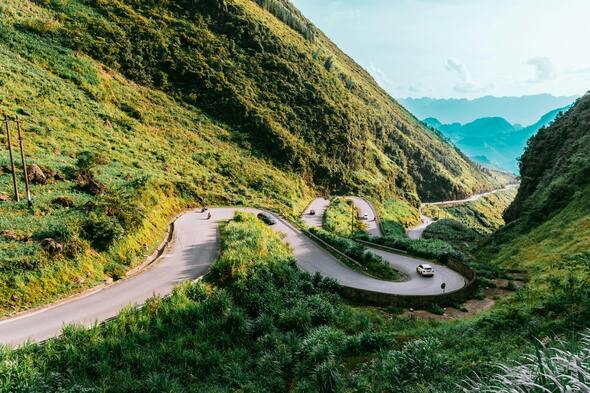
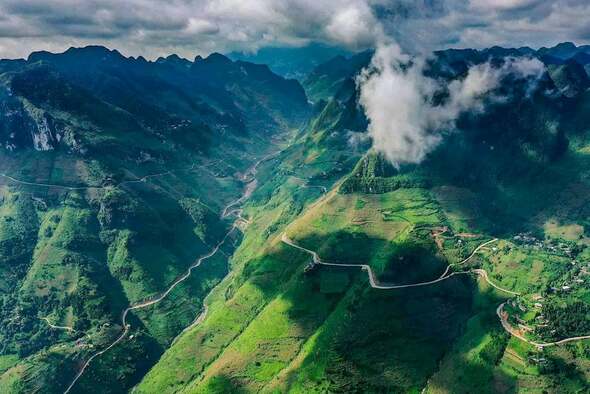
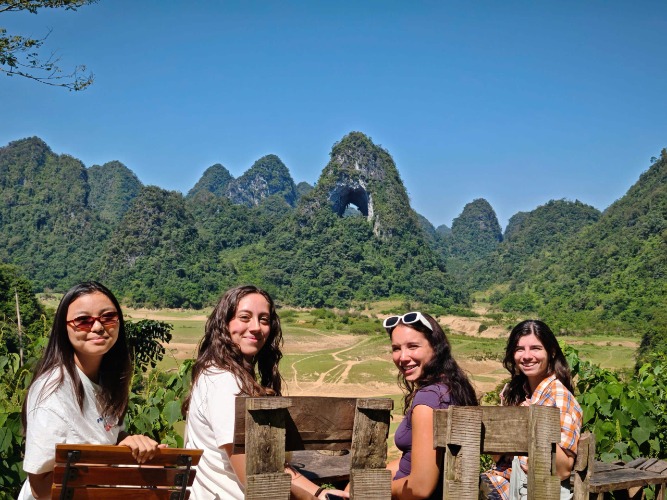
Spring in Ha Giang marks the transition from the freezing winter to a vibrant, warm season. The dramatic limestone peaks of the Dong Van Karst Plateau are softened by blooming flowers, and the skies clear up, offering breathtaking panoramic views at every twist and turn of the mountain passes.
Backpacking Ha Giang in March: A Floral Paradise
For adventure lovers, backpacking Ha Giang in March is an unforgettable experience. The harsh winter cold fades, and the entire rocky plateau bursts into color.
Weather in March
The weather in March is generally cool and comfortable, with temperatures ranging from 15°C to 22°C (59°F to 71°F). It can still be chilly in the early mornings and late evenings, especially at higher altitudes like Dong Van and Meo Vac.
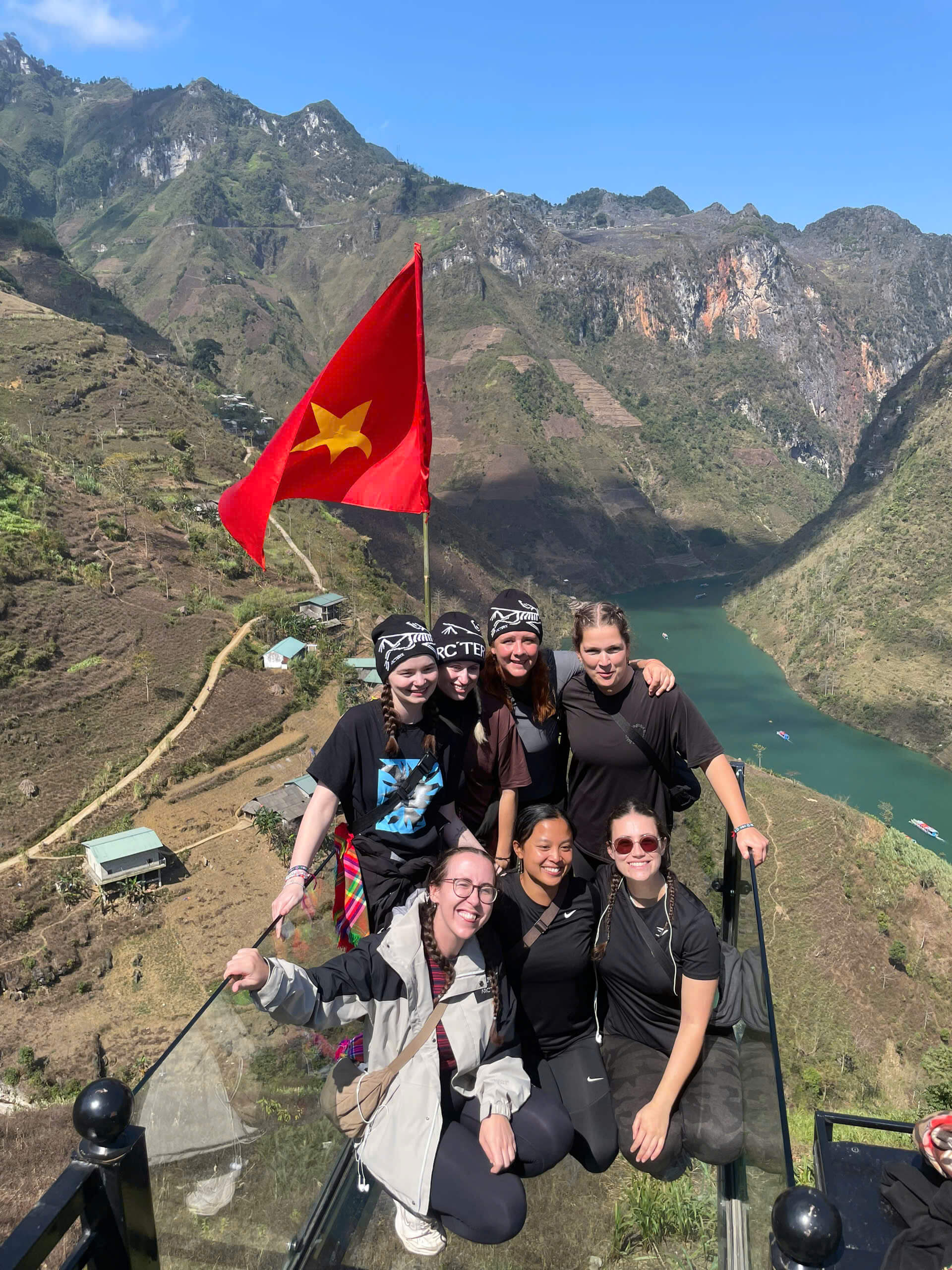
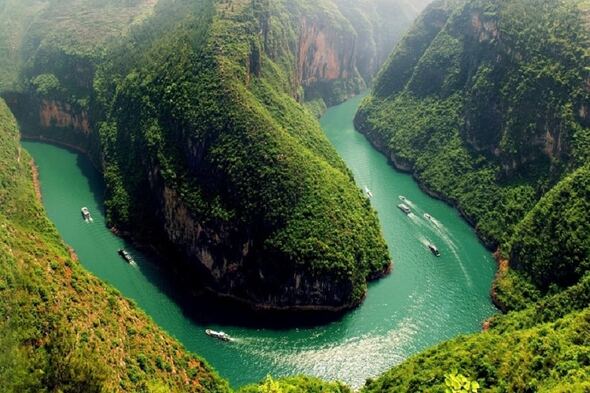
Enjoying the magnificent view of Nho Que River.
What to Expect & Highlights
- The Peach and Plum Blossoms: March is the peak season for spring flowers. You will ride past traditional H'mong villages featuring old "Trinh Tuong" (earthen) houses, perfectly framed by vibrant pink peach blossoms and pure white plum flowers.
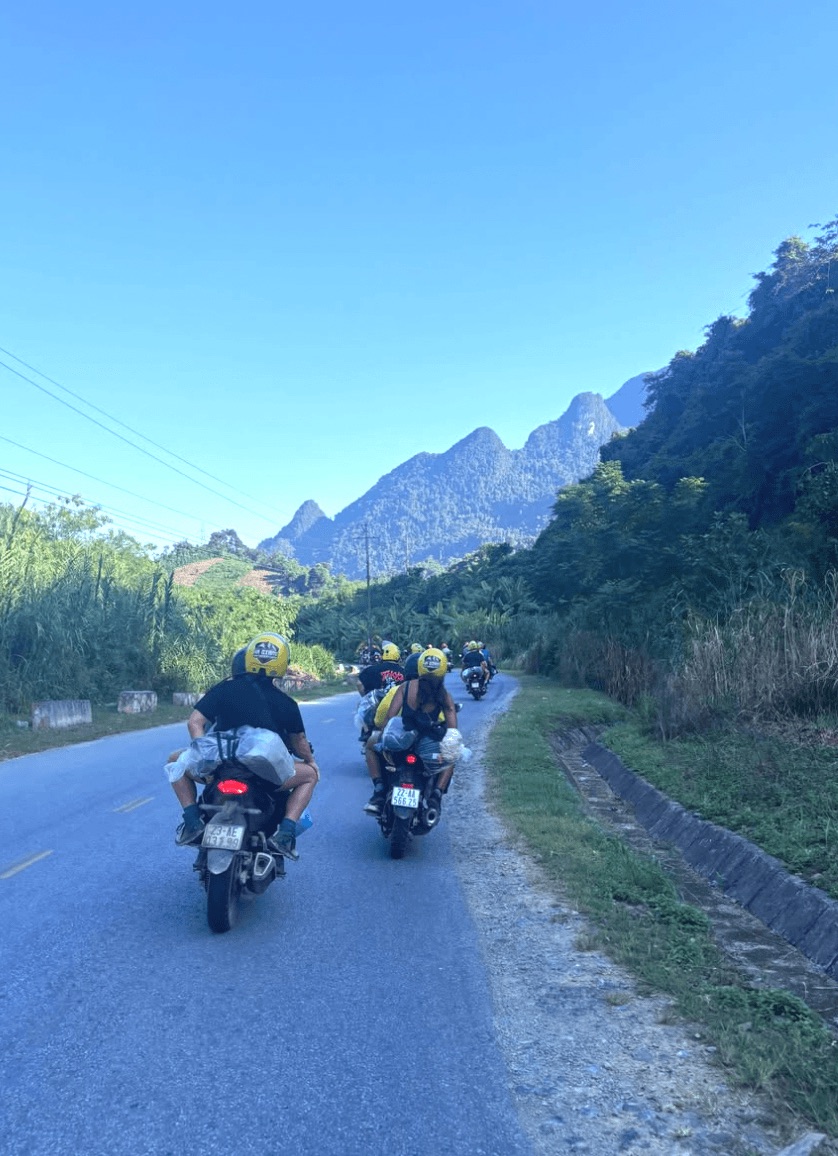
- Ideal Riding Conditions: The dry, cool weather makes it the perfect time to hop on a motorbike. The roads are less slippery than in the summer rainy season.
- Key Stops: Don't miss the H'mong King's Palace (Dinh Thu Vua Meo) and Lung Cu Flag Tower, which look incredibly picturesque surrounded by spring flora.
Traveling to Ha Giang in April: Culture and Clear Skies
As spring deepens, traveling to Ha Giang in April offers a slightly different, yet equally mesmerizing experience. The flowers may have faded, but the landscape turns incredibly lush, and the cultural calendar comes alive.
Weather in April
April brings warmer and sunnier days. Temperatures typically hover between 20°C and 28°C (68°F to 82°F). The skies are mostly clear, making it arguably the best month for photography.
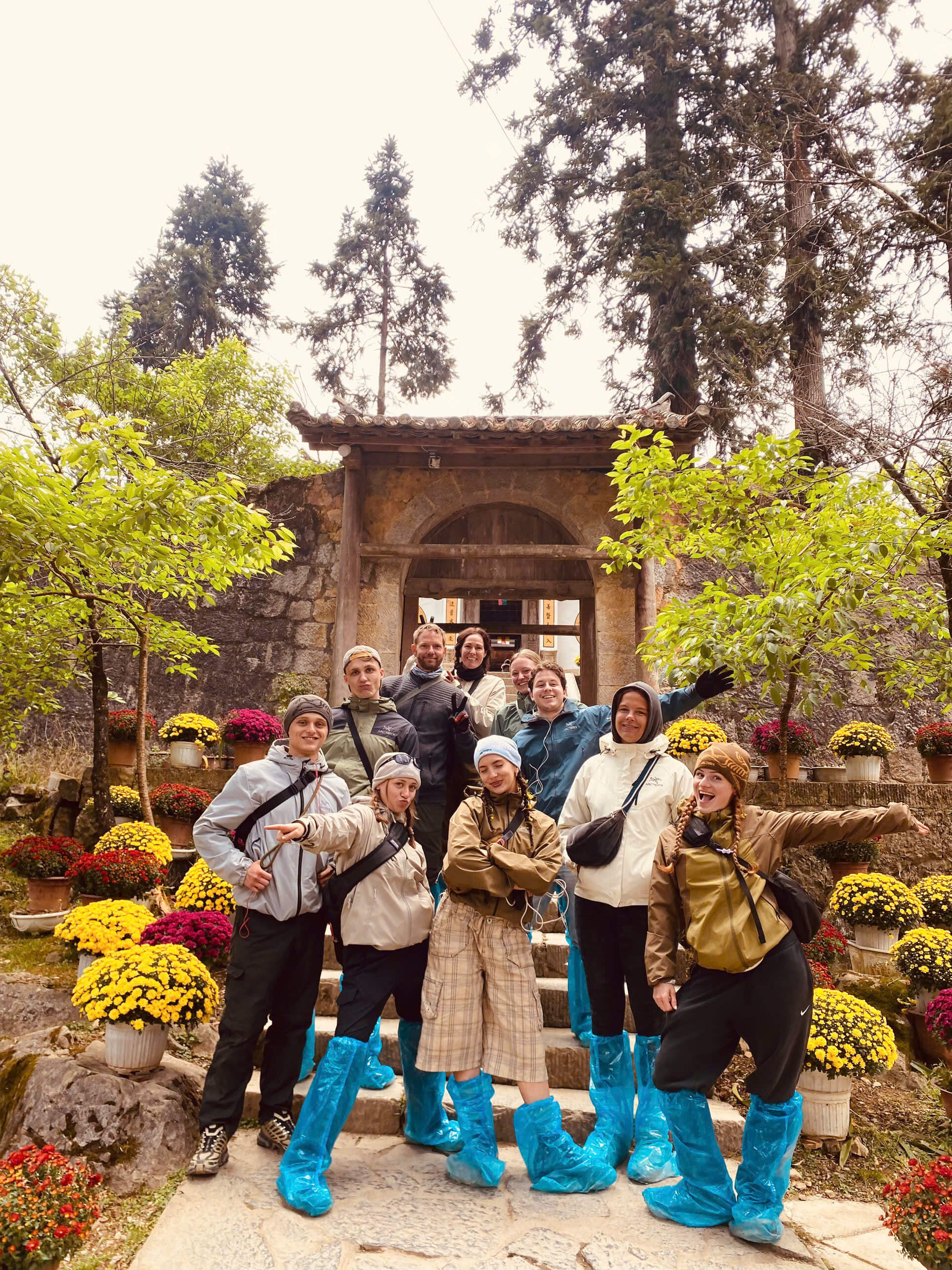
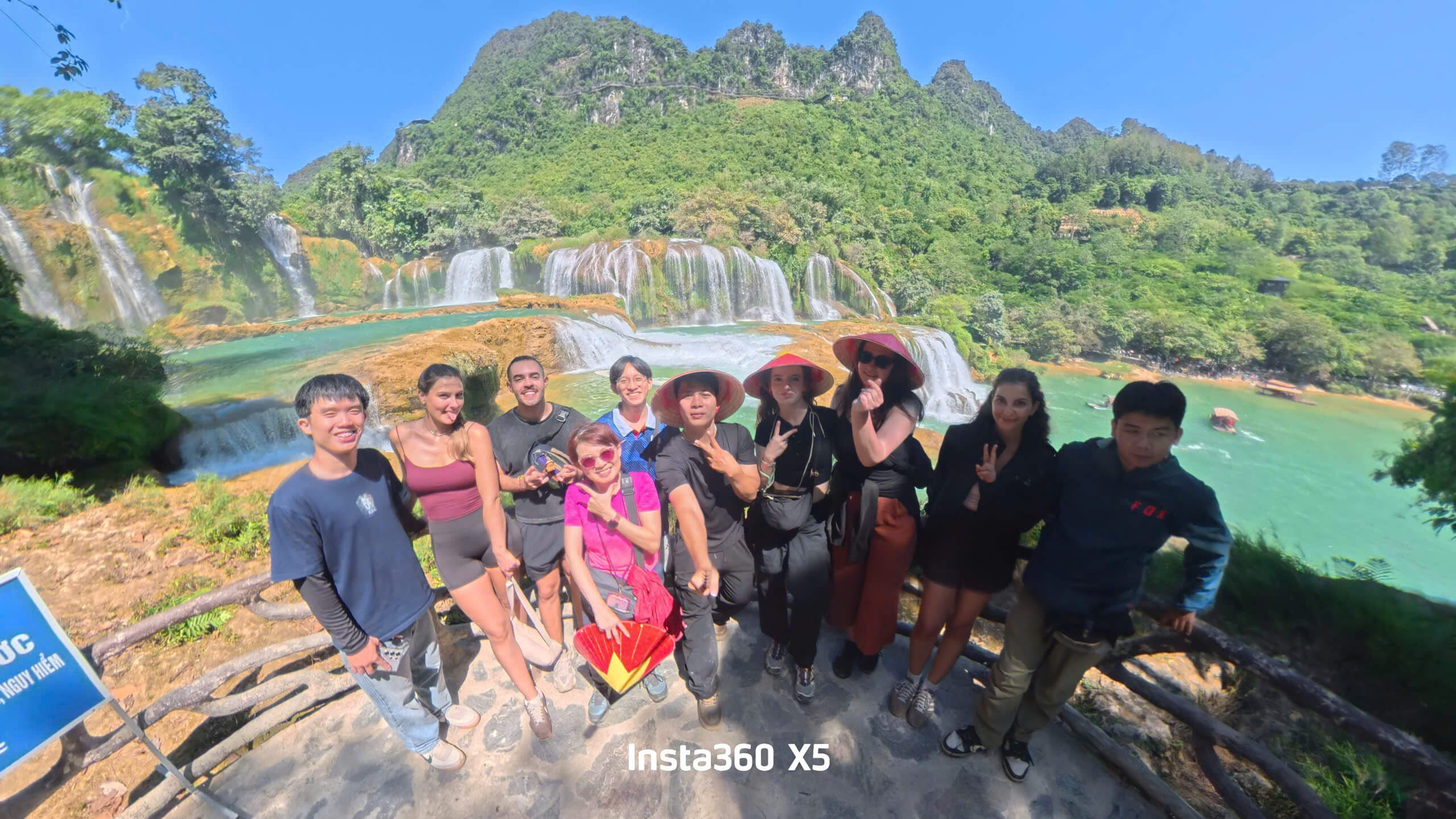
Embracing the spring weather and vibrant culture at a traditional H'mong house
What to Expect & Highlights
- Khau Vai Love Market: This is the cultural highlight of April. It is a unique, century-old festival where ex-lovers from various ethnic minority groups meet once a year to catch up and share memories.
- The Emerald Nho Que River: With the April sun shining bright, the water of the Nho Que River turns a brilliant emerald green. Taking a boat ride through the Tu San Canyon is absolutely a [must see destination] for any traveler doing the loop.
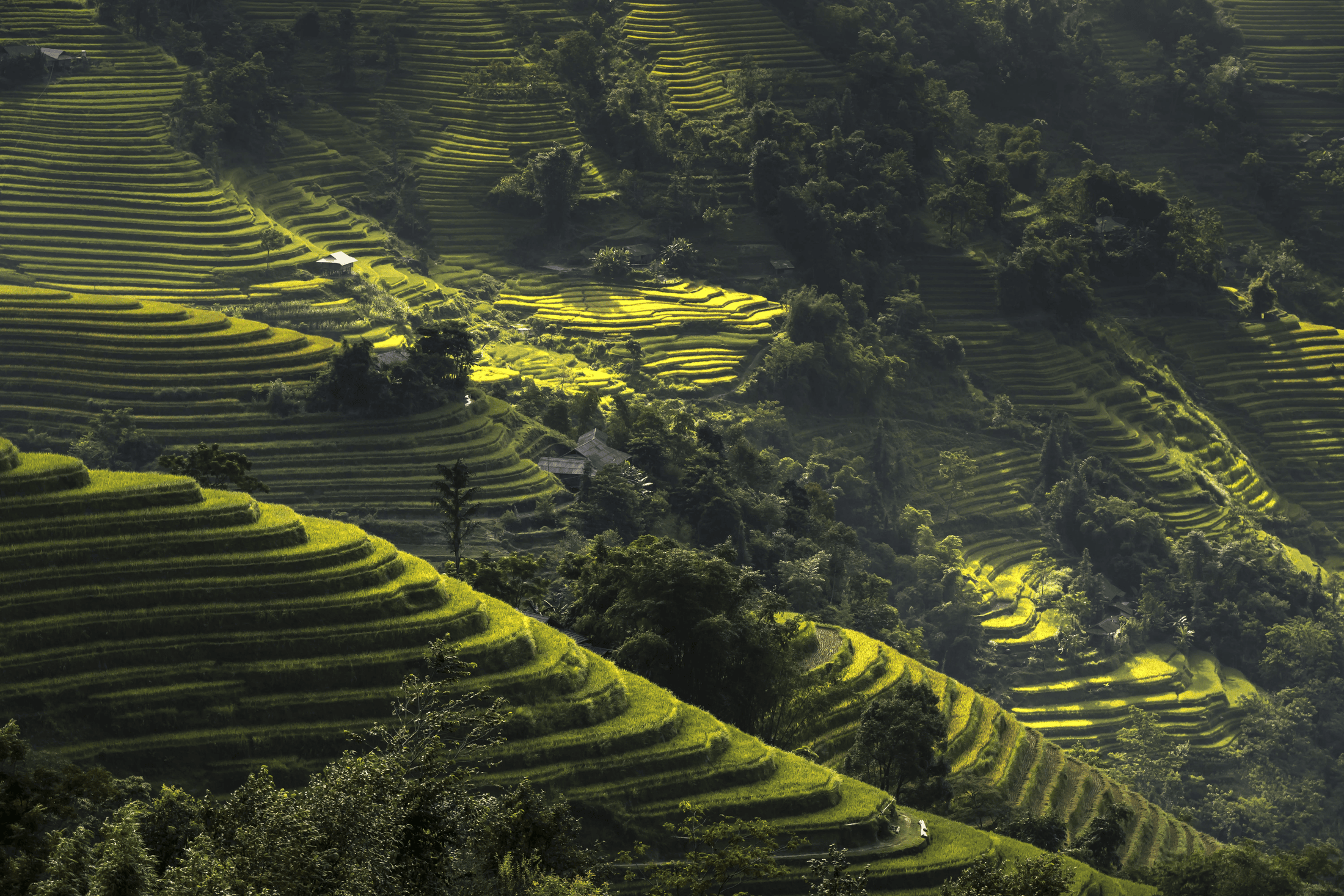
- Preparing for the Harvest: You will see locals starting to prepare the terraced fields for the new crop season, offering a fascinating glimpse into the agricultural life of the highlands.
Essential Tips for Your Spring Ha Giang Loop
Whether you choose March or April, conquering the loop requires some preparation:
1. Choose Your Ride: If you are an experienced rider, renting a semi-automatic bike in Ha Giang City is the best way to explore. Otherwise, hire an "Easy Rider" for a safe and stress-free trip.
2. Pack in Layers: Mountain weather is unpredictable. Bring a windbreaker and a warm fleece for the chilly mornings, but wear breathable clothes underneath for the sunny afternoons.
3. Book in Advance: March and April are popular months. Ensure you book your homestays in Nam Dam, Dong Van, and Du Gia well in advance.
Safety Note: The mountain roads in Ha Giang are steep, narrow, and winding. Before starting your engine, make sure you are well aware of the things not to do in Ha Giang to avoid unnecessary risks. Always wear a high-quality helmet, use both brakes on descents, and never ride after dark.
Ready for the Adventure of a Lifetime?
Ready to conquer the majestic karst plateau? Ha Giang Motorventures guarantees a 100% authentic, safe, and unforgettable journey.
👉 SECURE YOUR SPOT & BIKES HERE before we're fully booked!

 5 Days 4 Nights-96d7623a.png)
 Recommend Tour
 5 Days 4 Nights-1259a210.png)
-29522eba.png)
-063341dc.png)