Ha Giang Motorventures logo

Ha Giang Loop in January 2026: Weather, Tet & Survival Tips

Planning a Ha Giang Loop trip in January? Discover essential survival tips for winter weather, mist safety, and unique Lunar New Year (Tet) cultural insights. Read now!

1. The Weather: Expect the Unexpected

In January, temperatures in Ha Giang City might be a comfortable 15°C (59°F), but as you climb toward Dong Van and Meo Vac, it can drop to 5°C (41°F) or lower.

- The Mist: Thick fog often blankets the Tham Ma Pass in the early morning. It’s beautiful for photos, but dangerous for riding.

- The Sun: If the sky clears at midday, the UV rays are incredibly strong at high altitudes.

Pro Tip: Don't start your ride at 6:00 AM. At Hagiangmotorventures, we usually wait until the sun breaks through the mist (around 8:30–9:00 AM) to ensure maximum visibility and safety for our guests.
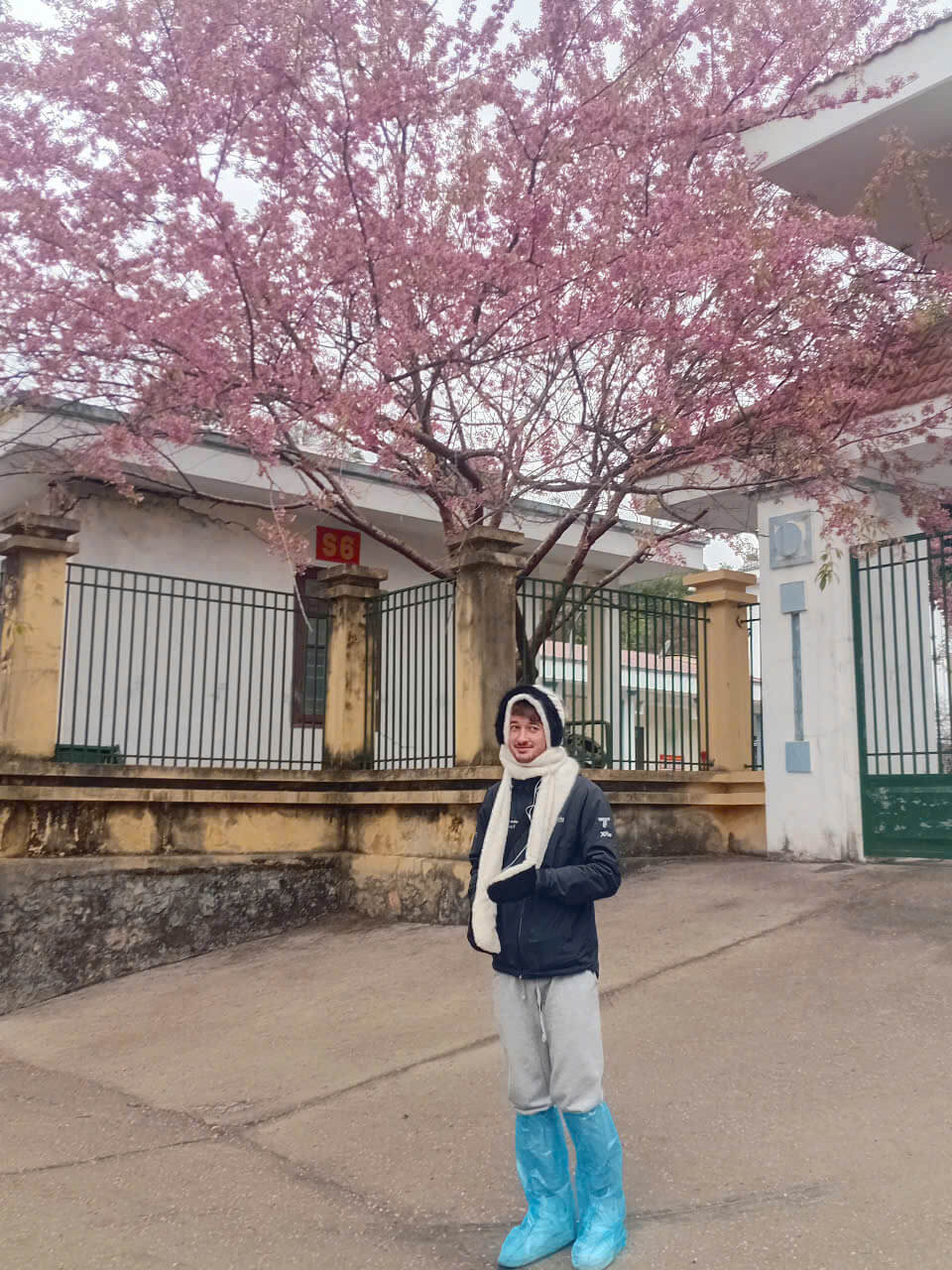
A traveler dressed in warm winter gear and blue rain boots standing under a large blooming pink cherry blossom tree in January, a key highlight of the Ha Giang Loop winter season.

Cherry blossom in Ha Giang 2026 

2. The "Onion Method" of Packing

The biggest mistake travelers make is bringing one thick jacket. You will be sweating during the afternoon trek to Lung Khuy Cave and freezing on the bike at 4:00 PM.

- Base Layer: Thermal shirts or moisture-wicking leggings.

- Mid Layer: A fleece or a thick hoodie.

- Outer Layer: A windproof and waterproof jacket.

- The Essentials: Do not forget gloves. Your fingers are your brakes; if they are frozen, you can't react quickly.

3. Witnessing the "Tet" Buzz (Lunar New Year 2026)

Since Tet falls in mid-February 2026, January is the peak of preparation. This is the best time for cultural immersion:

- Local Markets: Markets like Sa Phin or Dong Van are exploding with color. You’ll see locals buying peach blossoms, traditional incense, and festive clothes.

- Traditional Food: This is the season for Bánh Chưng (Square sticky rice cake) and Thắng Cố (traditional horse stew).

- Small Group Access: Because we keep our groups to 8-10 people, we can often stop at a local Hmong house to see them preparing for the new year a privilege large tour groups never get.

4. Safety: Why Winter Demands an Easy Rider

Ha Giang January's roads can be damp from the morning frost, making the "S-curves" slippery. If you are not an expert rider, the winter mist is not the time to learn. To help you decide which option fits your skill level, check out our honest comparison between Easy Rider vs. Self-Ride in 2026

- Visibility: Our Easy Riders have navigated these roads for years. They know exactly which curves hide black ice or slippery mud.

- Warmth: Riding on the back of a bike allows you to tuck your hands into your pockets and focus on the views, rather than fighting the freezing wind on your handlebars.
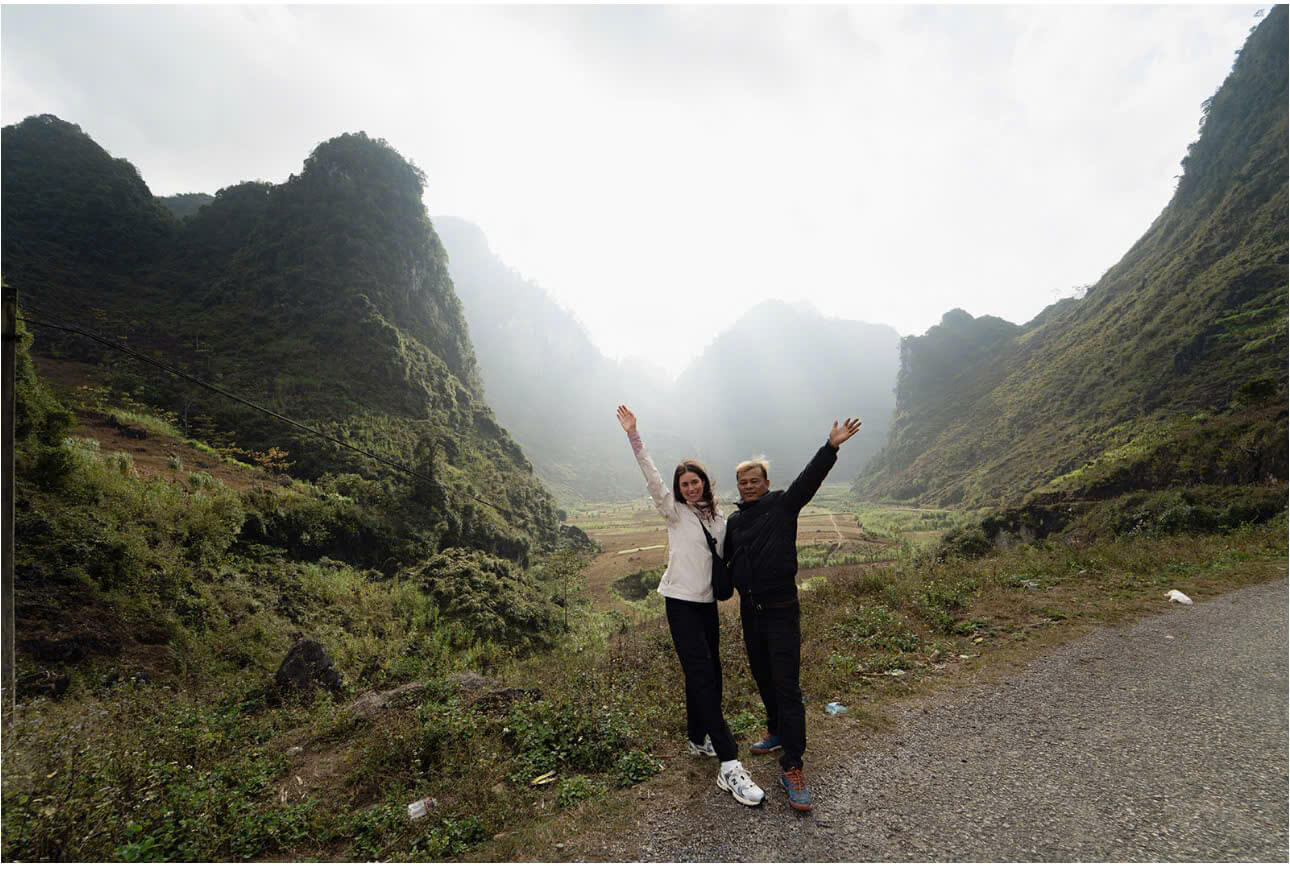
A man and woman waving their hands on a roadside in a dramatic, misty mountain valley, showcasing the atmospheric winter weather conditions on the Ha Giang Loop.

Pure freedom in the heart of Ha Giang

5. Hidden Winter Gems

While summer is for waterfalls, winter is for Ancient Architecture and Caves:

- Hmong King’s Palace: The pine wood and stone architecture looks stunning against the grey winter sky.

- Lung Khuy Cave: Stepping inside the cave is actually warmer than being outside in the wind! It’s the perfect winter escape.

- Nho Que River: The water is at its clearest emerald green in January. The boat ride through Tu San Canyon is peaceful, with fewer tourists than in the peak spring months.

Don't Let the Cold Stop You

January is for the bold. It’s for the photographers who want the "lonely mountain" vibe and the culture-seekers who want to see Vietnam’s heartbeat before the Lunar New Year.

Ha Giang Motorventures provides:

✅ Professional winter riding gear.

✅ Expert Easy Riders who prioritize safety in the mist.

✅ Cozy, warm homestays with the Ethnic people.

FAQ

Q.What is the Ha Giang Loop and how long does it take?

A.The Ha Giang Loop is a spectacular scenic route in northern Vietnam, winding through towering limestone karsts, deep canyons, and traditional ethnic minority villages. Most travelers choose between a 3-day/2-night or a 4-day/3-night tour. The 4-day option is highly recommended as it allows for a more relaxed pace and deeper exploration of hidden spots.

Q.Does the tour price include the frontier permit?

A.Yes. Because Ha Giang borders China, all foreign travelers are legally required to have a frontier permit. If you book our tour, we will handle all the paperwork and include the permit fee in your total package.

Q.What is the cancellation policy?

A.We offer a full refund for cancellations made at least 48 hours before the tour departure. Cancellations within 48 hours are subject to a 50% charge, and no-shows are non-refundable.

Q.What is an "Easy Rider" tour?

A.An Easy Rider tour means you sit comfortably on the back of the motorbike while one of our experienced, licensed local drivers navigates the mountain passes for you. This is the most popular option because it allows you to fully enjoy the breathtaking scenery without the stress of driving on dangerous roads.

Q.Can I drive the motorbike myself?

A.Yes, but only if you have a valid International Driving Permit (IDP) that covers motorbikes (Category A), along with your home country license and valid travel insurance. The roads in Ha Giang are steep, narrow, and full of sharp hairpin turns. For your safety, we will give you a riding test before departure. If our guide feels it is unsafe, you will be required to switch to an Easy Rider.

Q.Is the Ha Giang Loop safe for beginners?

A.If you are sitting behind an Easy Rider, it is highly safe. Our drivers know these roads like the back of their hands. However, if you want to self-drive, Ha Giang is not a place for beginners. You should have strong gears-shifting experience and confidence on steep terrain.

Q.When is the best time of year to do the Ha Giang Loop?

A.Ha Giang is beautiful year-round, but the peak seasons are:
September to November: Autumn brings golden rice terraces and cool, dry weather.
March to May: Spring offers pleasant temperatures and blooming flowers.
Note: The rainy season runs from June to August. While the landscapes are incredibly green, roads can be slippery, so extra caution or an Easy Rider is recommended.

Q.What should I pack for the trip?

A.We recommend packing light. You can leave your large suitcases at our hostel/office in Ha Giang city and just take a small backpack. Essential items include:
Sturdy shoes or sneakers (no flip-flops while riding).
A light jacket or sweater (temperatures drop significantly at night and in high-altitude areas like Dong Van).
Swimwear (for waterfalls/springs).
Sunscreen, sunglasses, and insect repellent.
A waterproof bag or rain cover for your backpack.

Q.What kind of accommodation is included in the tour?

A.We aim to give you an authentic experience. You will stay in a mix of traditional ethnic homestays (with private or clean shared facilities) and comfortable local hotels in towns like Dong Van and Du Gia. Hot water and Wi-Fi are available at all locations.

Q.I am a vegetarian/have food allergies. Can you accommodate me?

A.Absolutely! Traditional Vietnamese food is very adaptable. Please inform us of any dietary restrictions, allergies, or preferences (vegetarian, vegan, gluten-free) at the time of booking so our guides and hosts can prepare appropriate meals for you.

What is the best 3-day Cao Bang loop itinerary?

The ultimate 3-day Cao Bang Loop itinerary begins in Cao Bang City. Day 1 covers Nguom Ngao Cave and Khuoi Ky. Day 2 features Ban Gioc Waterfall and God Eye Mountain. Day 3 concludes with the thrilling 14-tier Khau Coc Cha Pass.

08/06/2026 · 4 min read View more