Ha Giang Ethnic Demographics (2025/2026 Estimates)
| Ethnic Group |
Population Percentage |
Primary Terrain |
Key Cultural Feature |
| Hmong |
34.2% |
High Peaks & Rocky Slopes |
Stone cultivation & Khen flute |
| Tay |
22.5% |
Lush Valleys & Riversides |
Stilt houses & Then singing |
| Dao |
14.9% |
Mid-range Mountains |
Red headscarves & Herbal baths |
| Kinh |
12.3% |
Cities & District Centers |
Trade & Administration |
| Nung |
9.5% |
Foothills & Valleys |
Blacksmithing & Clay houses |
| Others |
6.6% |
Specialized Enclaves |
Lolo bronze drums, Pu Peo crafts |
The Hmong People – Guardians of the Mountains (32.9%)
The Hmong are the largest ethnic group in the province. They have mastered life at high altitudes, farming the harshest limestone terrain with remarkable resilience.
- What makes them stand out: Vibrant hand-embroidered clothing and the haunting sound of the khèn flute.
- Pro Tip: One of the best ways to experience Hmong culture is at the Meo Vac Sunday Market. If you are on our 4-Day "Untamed" Ha Giang Loop Itinerary, we time our arrival to ensure you witness this vibrant gathering.
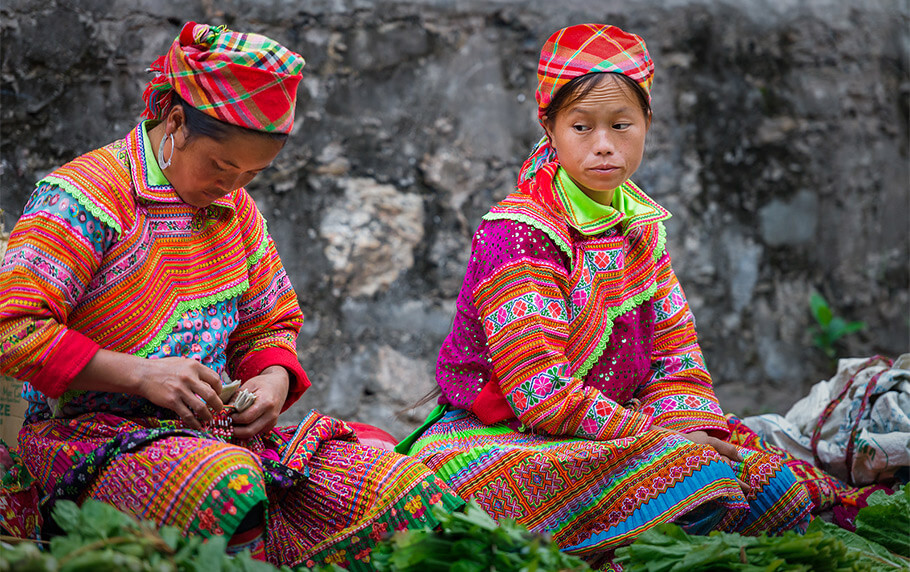
Hmong people on Ha Giang.
The Tay People – Guardians of the Valleys (23.2%)
If the Hmong belong to the mountains, the Tay people belong to the valleys. You’ll recognize their stilt houses standing quietly above rivers and rice fields.
- Culture: Famous for Then singing and indigo-dyed fabrics.
- Experience: Most of our 8-10 person small group tours include a stay in a traditional Tay homestay, where you can taste authentic local hospitality.
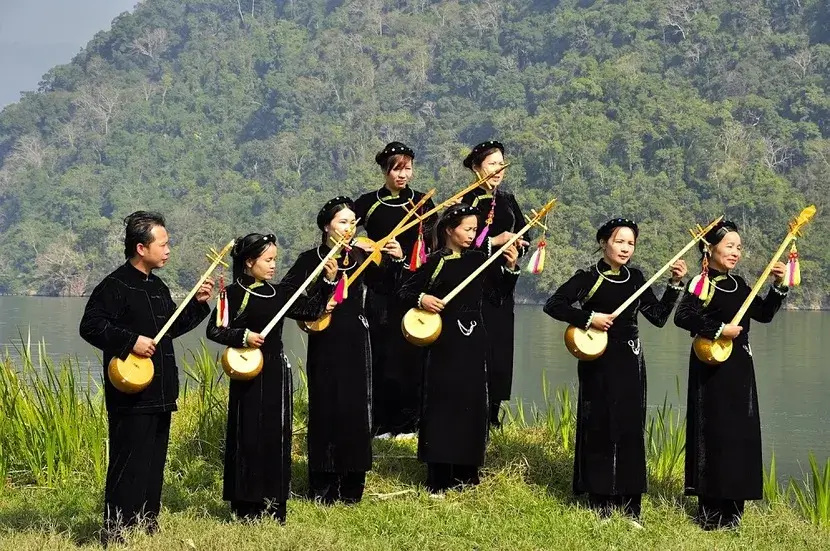
Tay people on Ha Giang
The Dao People – Keepers of Ritual and Healing (14.9%)
Recognizable by their red headscarves and silver jewelry, the Dao are respected as masters of herbal medicine.
- The Ritual: Their cap sac ceremony is a powerful coming-of-age ritual for young men.
- Safety Note: When visiting Dao villages on a Self-Ride or Easy Rider tour, always follow your guide's advice on local taboos and customs.
The Lo Lo & Nung People – Masters of Tradition
Small in number but immense in heritage, the Lo Lo are the guardians of the sacred bronze drum, while the Nung are famed for their sustainable baked clay houses and blacksmithing skills.
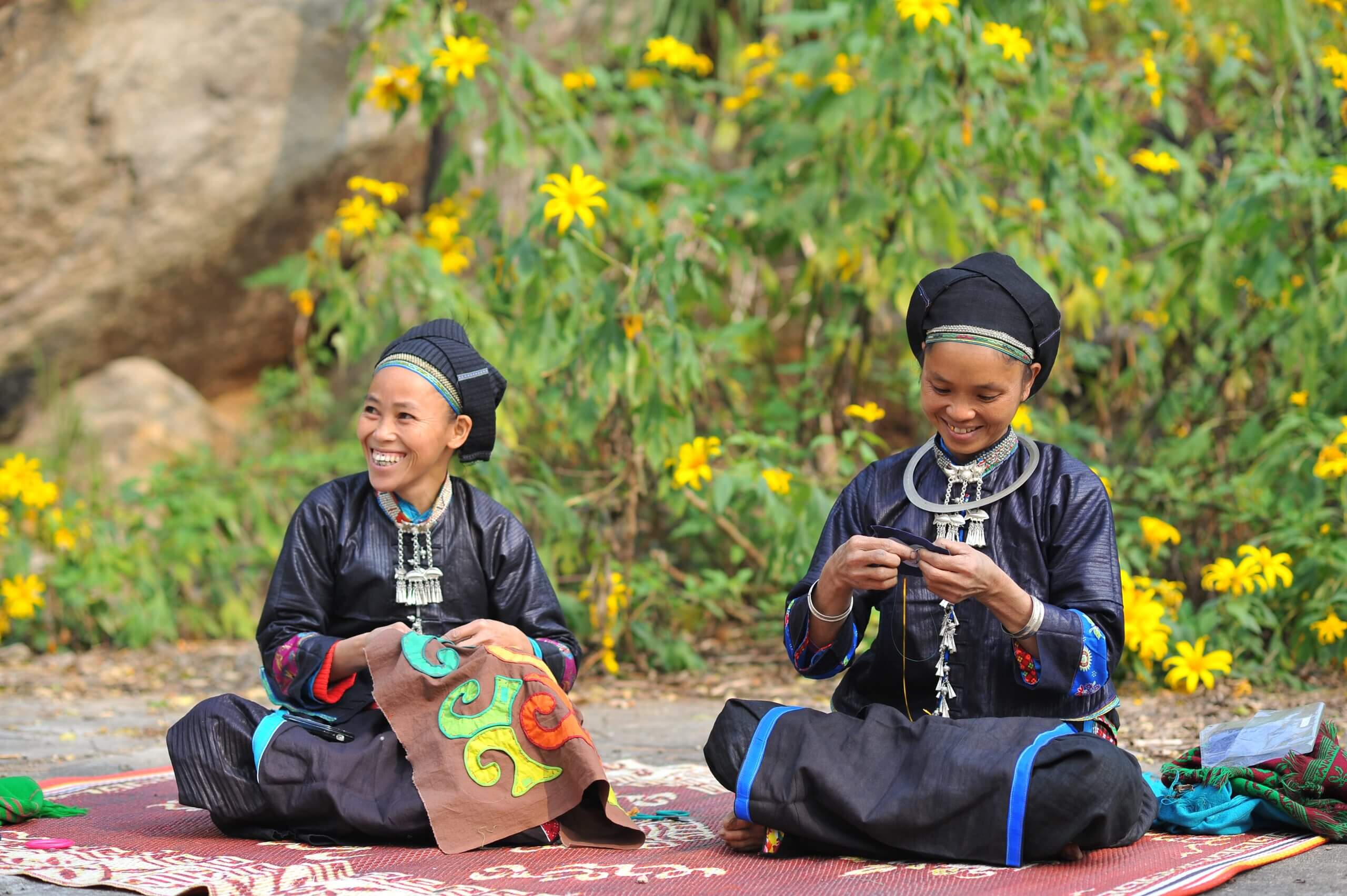
The Nung People.
Responsible Interaction: A Traveler’s Guide
To ensure your visit benefits these communities, keep these 2026 guidelines in mind:
- The No-Cash Policy: As discussed in our Responsible Travel Guide, do not give money or candy to children. This keeps them in school and prevents the cycle of begging.
- Market Etiquette: At ethnic markets, bargaining is expected but keep it friendly. A few thousand VND means little to you but represents a meal for a local family.
- Photography: Always ask "Can I take a photo?" (or use a friendly gesture). Respect those who decline; some older residents believe photos can impact their spirit.
- Support Cooperatives: Visit the Lung Tam Linen Cooperative. It is run by Hmong women and ensures 100% of your purchase goes directly back to the village artisans.
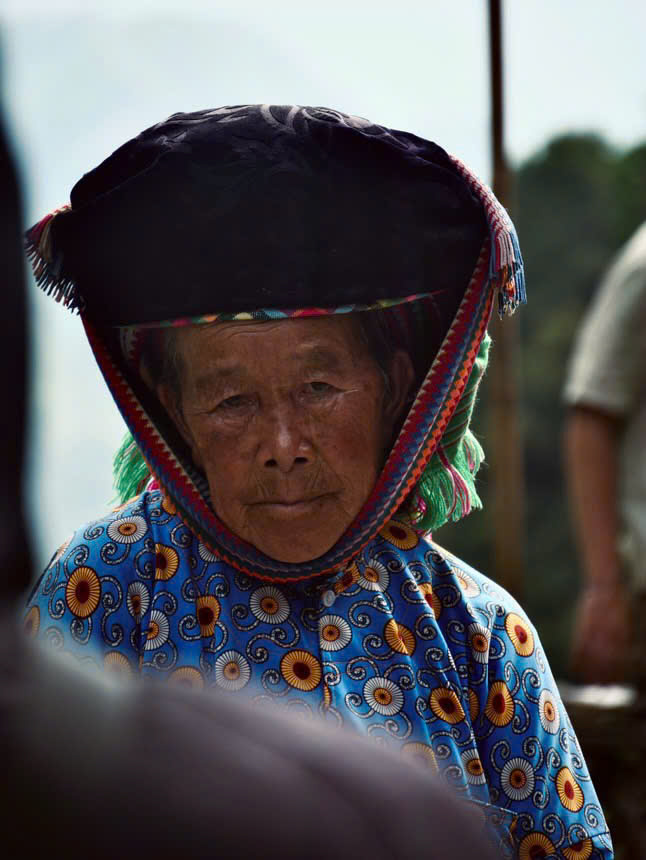
Portrait of an elderly Ha Giang ethnic woman.
Tips for Visiting Ethnic Communities on the Ha Giang Loop
Dive into the Local Markets
Markets are the heartbeat of ethnic life in Ha Giang lively, colorful, and full of character.
In places like Meo Vac and Dong Van, people from many ethnic groups gather weekly to trade goods, share food, meet friends, and celebrate community life.
- Try traditional street food and browse handmade crafts
- Bargain politely it’s part of the culture, not a battle
- Don’t hesitate to chat with vendors you might walk away with a story instead of just a souvenir
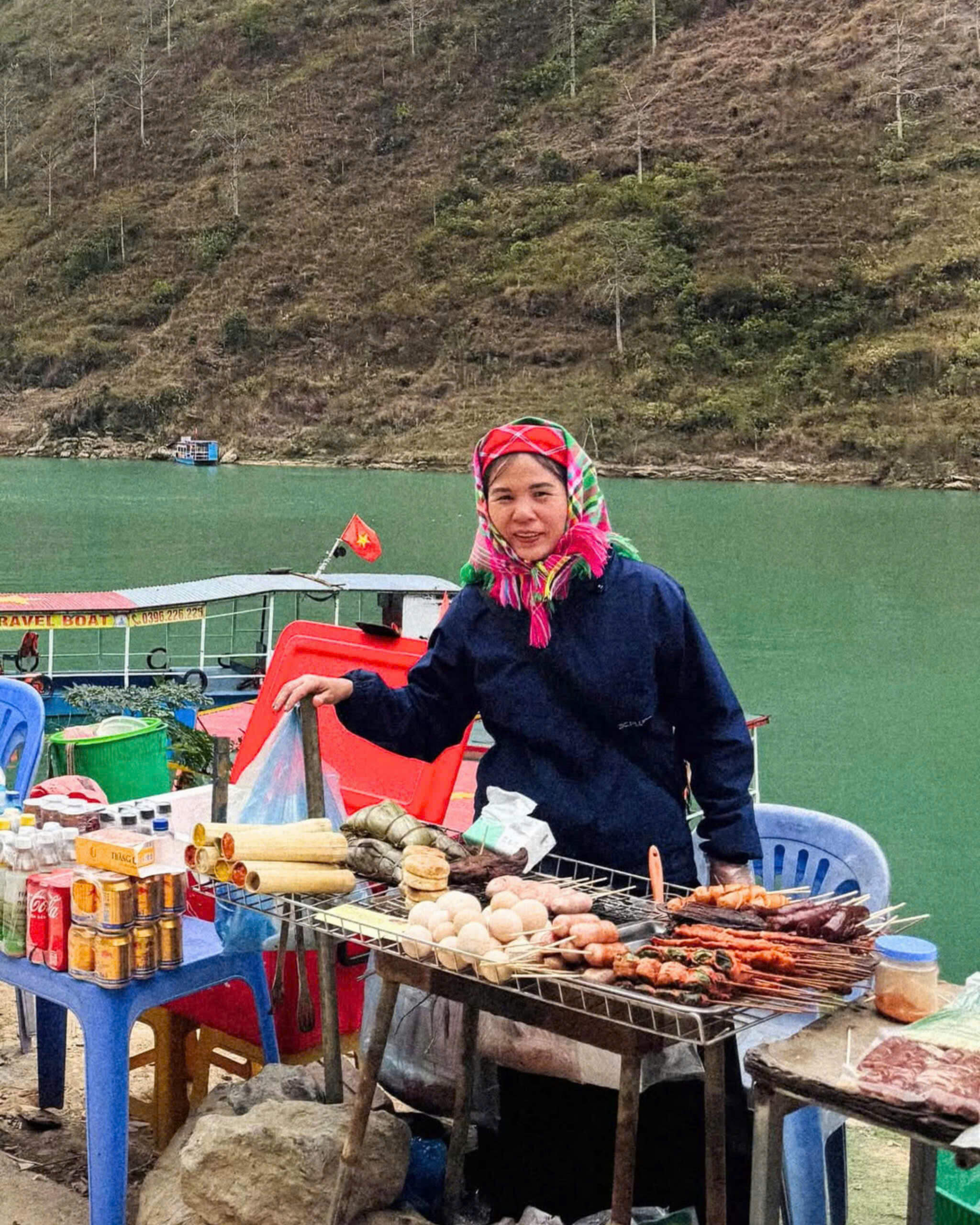
Street food by local people in the Nho Que River
Embrace the Local Lingo
Learning a few local words goes a long way. And no, we don’t mean just “xin chào” or “cảm ơn.”
Ask your drivers or local guides to teach you greetings in their own ethnic languages. Many of them belong to these communities themselves and are happy to help you connect more deeply.
Even a small effort can spark smiles, laughter, and unforgettable moments because real travel isn’t just about places, it’s about people.
Frequently Asked Questions (FAQs) About Ethnic Groups in Ha Giang
Exploring Ha Giang means stepping into rich cultures and traditions. Here are some common questions travelers often ask:
1. What are the best ethnic markets in Ha Giang?
Meo Vac Market and Dong Van Market are the most famous. Both take place on Sundays and offer traditional fabrics, local food, livestock, and everyday goods.
2. Can I take photos of local people?
Yes but always ask for permission first. A smile and a respectful gesture often lead to warm interactions and meaningful moments.
3. Which are the three largest ethnic groups in Ha Giang?
The H’mong, Tay, and Dao are the largest groups, each with unique customs, clothing, and cultural traditions.
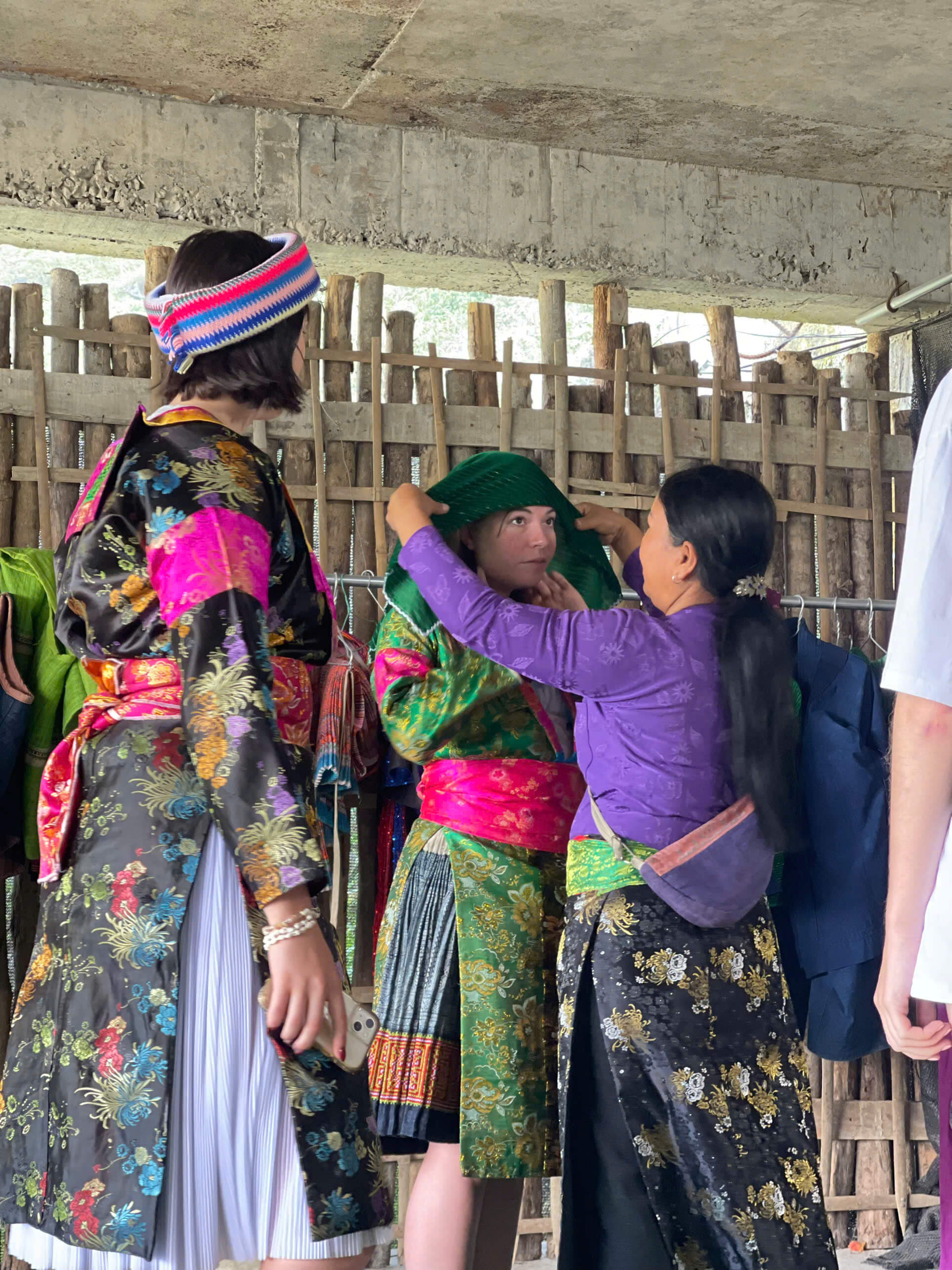
Experiencing Ha Giang local culture.
4. Where do Ha Giang’s ethnic minorities live?
Most live in rural villages, mountain areas, and valleys along the Ha Giang Loop, though some work or study in Ha Giang City.
5. Should I book my Ha Giang Loop tour in advance?
Definitely. With Ha Giang Motoventures, we always recommend booking ahead especially during peak seasons.
6. What is it like staying in a homestay on the loop?
Homestays offer a cozy, authentic experience with modern comforts like hot showers, Wi-Fi, comfy beds, friendly hosts, and lively shared dinners.
7. Can I join local crafts and traditions?
Absolutely! In Lung Tam Village, you can try traditional weaving and crafts. Just follow your guide’s advice to respect local customs.
Ready to meet the people of the clouds?
👉 [Message us on WhatsApp: +84 36 866 5623]

 5 Days 4 Nights-96d7623a.png)
 Recommend Tour
 5 Days 4 Nights-1259a210.png)
-29522eba.png)
-063341dc.png)